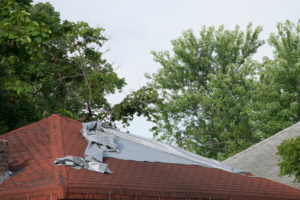
In hurricane-prone regions like Florida, roofs face extreme pressure. If your roof fails, your home becomes highly vulnerable to wind and water damage. According to FEMA, roof failure is one of the most common and expensive hurricane-related damages.
To truly protect your home from hurricane threats, proactive roofing upgrades and inspections are essential.
1. Choose Hurricane-Resistant Roofing Materials
Start with materials that can withstand Florida’s wind and rain. Here are the top three options for homeowners who want to protect their home from hurricane-force winds:
Metal Roofing
- Wind resistant up to 160 mph
- Extremely durable (40–70 years lifespan)
- Fire and moisture-resistant
Architectural Asphalt Shingles
- Rated for winds up to 130 mph
- More affordable and widely used
- Best for budget-conscious protection
Clay or Concrete Tiles
- Long-lasting and strong
- Requires reinforced roof structure
- Great for aesthetics and durability
Pro Tip: Always confirm materials are Miami-Dade County approved for wind uplift resistance.
2. Secure Roof-to-Wall Connections with Hurricane Straps
To protect your home from hurricane uplift, ensure your roof is securely tied to the walls of your house. That’s where hurricane straps or clips come in.
These metal connectors:
- Anchor roof trusses to the wall plates
- Prevent the entire roof from being lifted off
- Are now required by Florida Building Code for new homes
Older homes can be retrofitted with these connectors to meet modern safety standards.
3. Seal the Roof Deck for Water Protection
If your shingles fly off in a storm, a sealed roof deck is your last defense against water intrusion.
To protect your home from hurricane-related flooding and mold:
- Apply peel-and-stick underlayment or waterproof tape over the seams
- Add a water-resistant layer below your roofing material
- Consider self-adhering membranes for full-coverage sealing
This is especially effective for reducing damage and insurance claims post-storm.
4. Upgrade to Storm-Grade Roofing Underlayment
Don’t rely on old-fashioned felt paper. Modern, high-performance underlayment plays a major role in hurricane protection.
Best Options:
- Synthetic Underlayment: Durable, water-shedding, tear-resistant
- Self-Adhering Membranes: Fully bonded to the roof deck for enhanced moisture resistance
These materials give your home extra protection, even if shingles are lost during a storm.
5. Install Hurricane-Ready Flashing and Ventilation
To further protect your home from hurricane damage, reinforce your roof’s small but critical components:
- Use hurricane-rated ridge vents and sealed soffit vents
- Upgrade flashing around chimneys, valleys, and skylights
- Seal every edge to prevent wind and water infiltration
Small details like flashing and vents can make or break your roof during a major storm.
6. Trim Overhanging Trees and Remove Weak Limbs
Even the best roofing system can be no match for a falling tree. Reduce the risk of impact damage by:
- Trimming trees at least 6–10 feet away from your home
- Removing dead or leaning trees
- Keeping branches away from your roof, gutters, and power lines
This simple landscaping task is a crucial way to protect your home from hurricane debris.
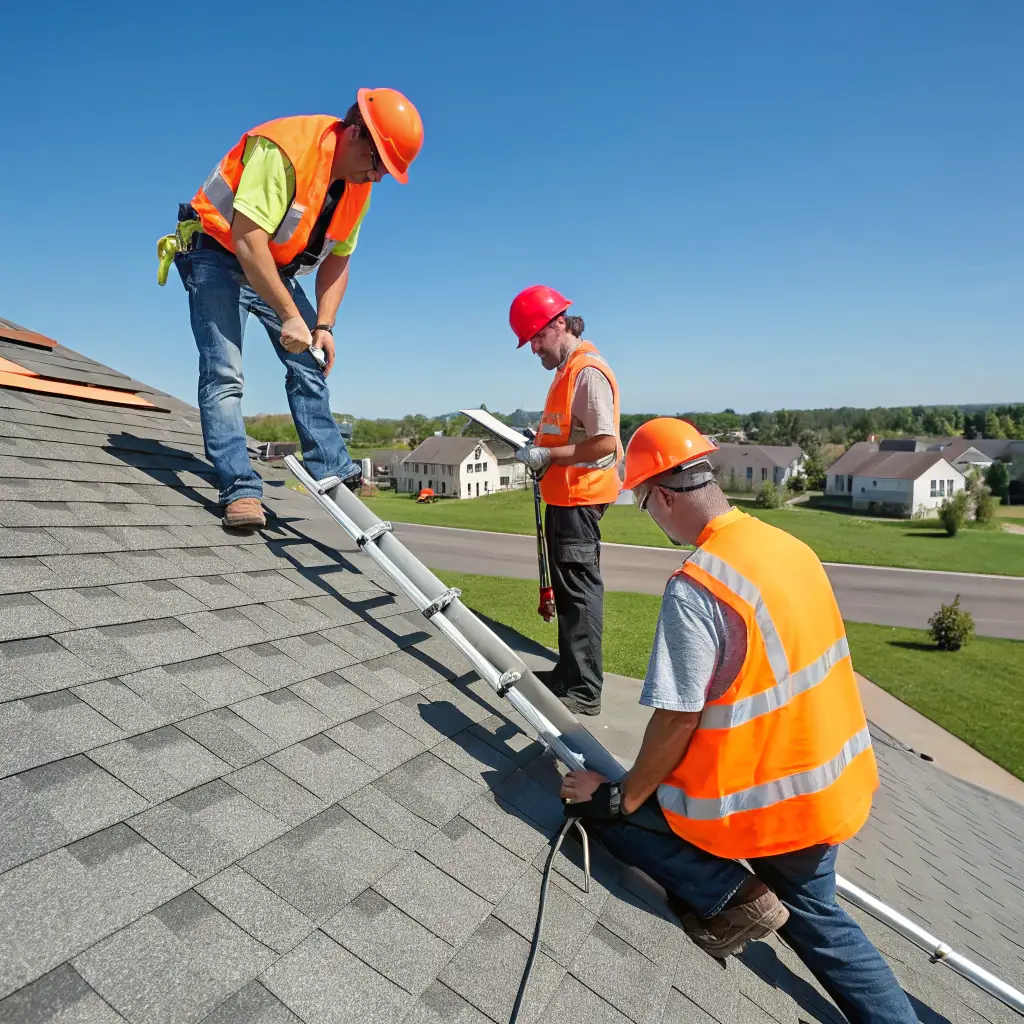
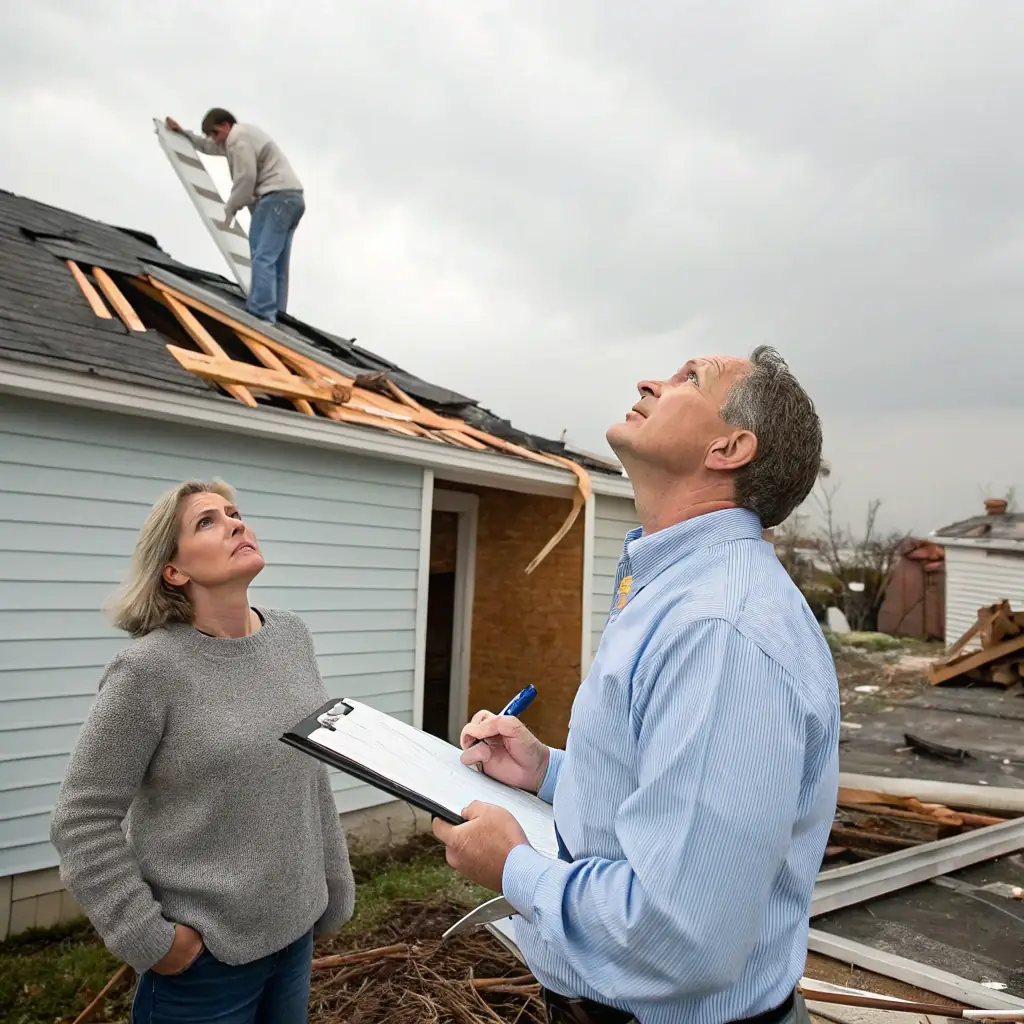
7. Schedule Regular Roof Inspections by a Licensed Contractor
Preventative care is essential. Have your roof inspected at least once a year—and after any storm.
Inspections can reveal:
- Missing or loose shingles
- Soft spots in the decking
- Improper installations
At TJB Construction, we offer comprehensive roof inspections that not only catch potential issues but also help you qualify for insurance discounts under Florida’s wind mitigation program.
8. Document Your Roof Before Hurricane Season
Part of being prepared means documenting your roof for insurance purposes. This ensures a smoother claims process if damage occurs.
Do this annually:
- Take clear photos and videos of your roof, vents, and gutters
- Keep records of any repairs or upgrades
- Store your homeowner’s insurance policy in a safe place
This documentation helps prove pre-storm condition and speeds up post-hurricane claim resolution.
9. Upgrade Gutters, Skylights, and Roof Accessories
Every component of your roof must be ready for a storm—not just the surface.
Key accessories to upgrade:
- Hurricane-rated skylights (laminated impact glass)
- Heavy-duty gutters with strong fasteners
- Impact-resistant attic fans and ridge caps
These small changes can help protect your home from hurricane leaks and water pooling.
10. Work with a Local Florida Roofing Expert
Finally, the most important step: hire the right contractor. Your roof is only as good as the team that installs it.
Look for a contractor who:
- Is licensed and insured in Florida
- Uses Florida Building Code–approved materials
- Offers hurricane-resistant roofing systems
- Can provide wind mitigation reports
At TJB Construction, we specialize in protecting Florida homes from hurricane damage with roofing solutions designed specifically for our climate. Whether you’re building new or upgrading an older home, we help you stay safe season after season.
Ready to Protect Your Home from Hurricane Season?
Don’t wait until the next storm is in the forecast. Taking action today can save thousands in repairs and keep your family safe.
TJB Construction offers:
- Free roof inspections
- Code-compliant roof replacements
- Emergency repairs after hurricanes
- Expert guidance on insurance and storm readiness
📞 Call us now or schedule your free consultation to hurricane-proof your home with confidence.