In Florida, where hurricanes, tropical storms, and heavy rains are common, your roof serves as the primary defense against the elements. It protects your home, family, and belongings from wind, rain, and debris. But after a storm, your roof may have sustained damage that isn’t immediately visible. Storm damage roofing in Florida is a critical issue that needs timely attention, as even minor damage can escalate into major problems if not addressed properly.
In this blog post, we’ll explain how storm damage affects your roof, why storm damage roofing in Florida matters, and how professional roof inspection and repair services can help prevent costly repairs and ensure your home stays safe. We will also provide tips on how to spot signs of storm damage and what you should do after a storm to protect your roof and your property.
How Storm Damage Affects Your Roof
1. Roof Shingle Damage
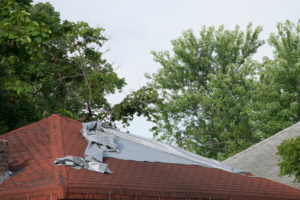
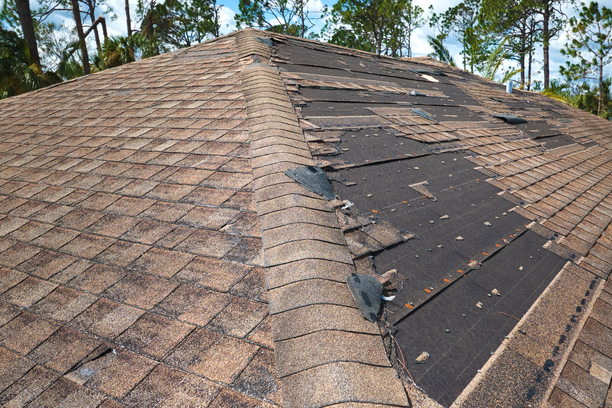
The most common form of storm damage roofing in Florida involves damage to the shingles or roofing materials. High winds can tear shingles off, bend them, or cause them to loosen, leaving the underlayment and decking exposed. If left unrepaired, this can lead to water penetration during the next rain, potentially resulting in leaks and water damage inside your home.
Shingle damage can occur in a variety of ways, including:
- Blown-off shingles: Strong winds can lift shingles from the roof, exposing the underlying layers to water damage.
- Cracked or split shingles: Hail, flying debris, or high winds can cause shingles to crack or split, which compromises their ability to protect your home.
- Granule loss: Shingles are coated with granules that help reflect UV rays and protect against weathering. Storms, especially those with hail, can strip the granules from the shingles, leaving them vulnerable to further damage.
Regular storm damage roofing inspections can help identify this type of damage early, preventing leaks and water damage from occurring.
2. Damage to Roof Flashing
Roof flashing is the material that seals areas where different sections of the roof meet, such as around chimneys, vents, and skylights. It prevents water from seeping into gaps and causing leaks. Strong winds and flying debris can loosen or damage flashing, leaving these vulnerable spots exposed to rain and water infiltration.
If flashing is damaged during a storm, it’s essential to have it repaired immediately. Damaged flashing allows water to enter your roof system, causing potential structural damage, mold growth, and more costly repairs down the line.
3. Debris Impact and Punctures
In Florida, storms often bring debris such as tree branches, fallen limbs, and other objects that can damage your roof. Flying debris, especially during hurricanes and high winds, can puncture the roofing material, creating holes or cracks that expose the roof deck. These punctures provide direct access for water to seep into your home, leading to leaks, mold growth, and further structural damage.
If debris strikes your roof, you may not always notice the impact immediately. That’s why it’s essential to schedule a storm damage roofing inspection after a storm to ensure your roof is intact and your home is protected.
4. Clogged Gutters and Downspouts
Heavy rain, especially during tropical storms, can cause your gutters and downspouts to become clogged with leaves, branches, and other debris. When gutters are clogged, water cannot flow away from your roof properly, causing it to pool on the roof. This water buildup can lead to:
- Water damage: Standing water on the roof can cause it to deteriorate, weaken, or even cause leaks.
- Ice dams (in colder climates): While less common in Florida, ice dams can still occur in regions with cooler weather after storms, causing water to back up under the shingles.
Proper maintenance of gutters and downspouts is essential, especially after a storm. It’s crucial to clear out debris and ensure water is flowing freely to prevent damage from accumulated water.
5. Roof Decking and Structural Damage
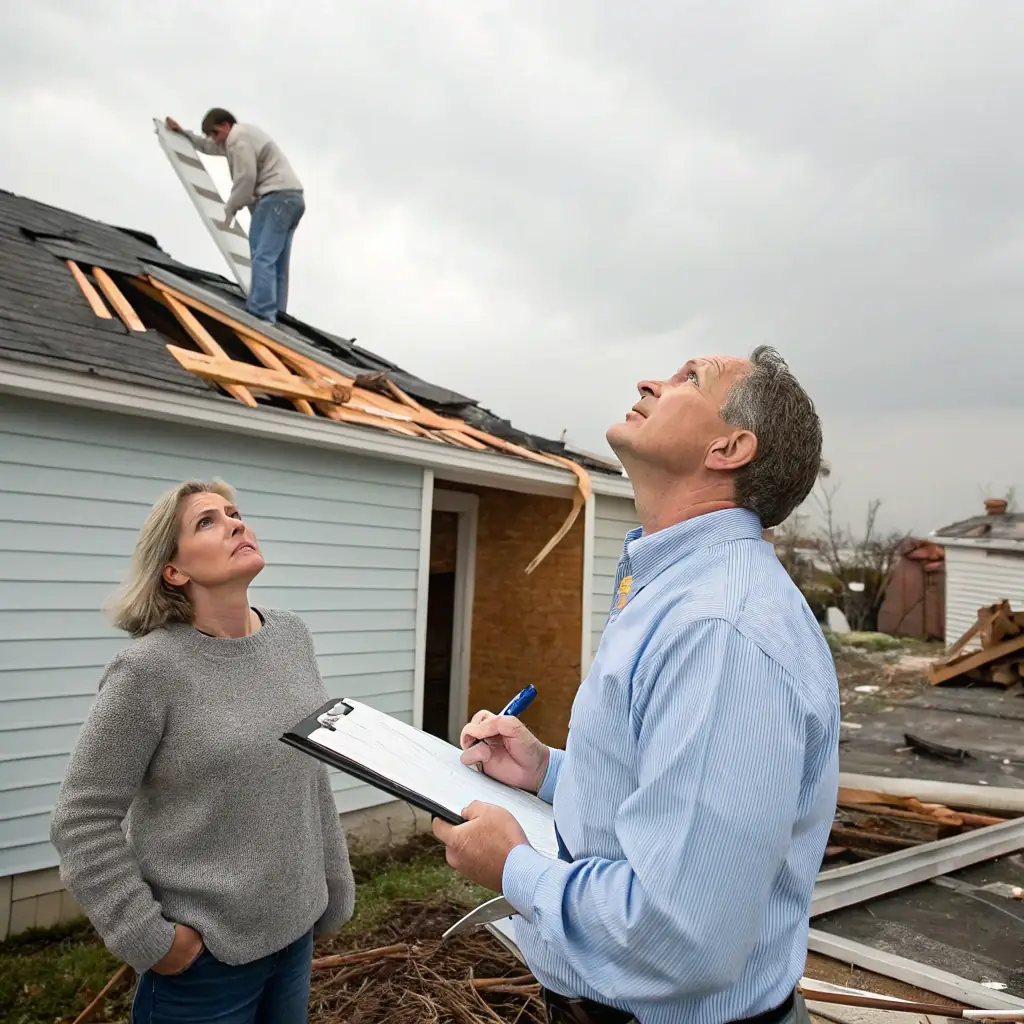
In more severe storms, especially hurricanes, the roof decking itself can be damaged. Roof decking is the material that forms the foundation of your roof and supports the roofing materials. High winds, heavy rain, and flying debris can cause the decking to warp, crack, or even collapse in extreme cases.
Once the decking is compromised, the entire roofing system becomes vulnerable to further damage. Even if the shingles appear intact, structural damage to the decking can lead to significant issues, including sagging, leaks, and compromised structural integrity.
If you suspect storm damage to your roof decking, it’s important to have it inspected by a professional to avoid more extensive repairs and ensure your home is safe.
Why Storm Damage Roofing Matters in Florida
1. Prevents Water Damage and Mold Growth
The primary function of your roof is to keep water out. Storm damage can compromise this protective barrier, allowing rainwater to seep into the home. Once inside, water can damage walls, ceilings, insulation, and even flooring. The presence of moisture in the walls and attic provides an ideal environment for mold and mildew to grow, leading to health issues for you and your family.
By addressing storm damage roofing promptly, you can prevent water damage and mold growth, preserving the integrity of your home and preventing costly repairs.
2. Safeguards Your Home’s Structural Integrity
If left unaddressed, storm damage can weaken the structure of your roof and home. A compromised roof can lead to sagging, warped beams, and even the potential collapse of the roof in extreme cases. Even small issues like missing shingles or damaged flashing can escalate into major structural problems if not repaired quickly.
Repairing storm damage early ensures that your roof remains structurally sound, keeping your home safe from further deterioration and minimizing the need for expensive repairs down the road.
3. Protects Your Family and Belongings
Storms can bring strong winds, heavy rain, and hail, which can all create significant hazards for your property. If your roof is damaged, your home becomes exposed to these hazards. A compromised roof can lead to water infiltration, which damages not only the structure but also your furniture, appliances, and personal belongings.
Ensuring your roof is properly repaired after a storm provides peace of mind, knowing that your home is safe, and your family and belongings are protected.
4. Helps You Avoid Higher Costs in the Future
While storm damage roofing repairs can be costly in the short term, addressing issues quickly can actually save you money in the long run. Small problems left untreated can snowball into much larger, more expensive issues. For example, a small leak from missing shingles could eventually cause significant water damage to the interior of your home, leading to higher repair costs.
By investing in timely repairs, you prevent small issues from becoming major problems, ultimately saving money and ensuring your roof’s longevity.
5. Insurance Claim Assistance
Navigating the insurance claims process after storm damage can be challenging. Many homeowners find it difficult to get fair compensation for repairs, especially if they’re not familiar with how to properly document and report damage. Professional roofing companies, like TJB Construction, assist with storm damage roofing in Florida by offering insurance claim assistance.
They can help you document the damage, communicate with your insurance provider, and ensure you receive a fair settlement for the necessary repairs. This added service helps relieve the stress of dealing with insurance companies and ensures that you get the financial assistance you need to restore your roof.
How to Spot Storm Damage and When to Call a Professional
1. Check for Missing or Damaged Shingles
After a storm, check your roof for any missing, cracked, or curled shingles. These can leave the roof vulnerable to water infiltration. If you notice significant damage, it’s time to call a professional for a thorough inspection and repairs.
2. Look for Debris on Your Roof
If your roof is covered with debris like branches, leaves, or even larger objects, it could be a sign that the storm caused damage. These materials can trap moisture, cause wear on the roof, or create new leaks. Have a professional roofer inspect your roof and remove the debris safely.
3. Inspect the Attic and Ceilings for Leaks
After a storm, check your attic and ceilings for signs of water stains or leaks. These could be signs that your roof was compromised during the storm. If you notice any signs of water damage, it’s essential to call a roofing professional to assess the situation and make the necessary repairs.
4. Schedule a Professional Roof Inspection
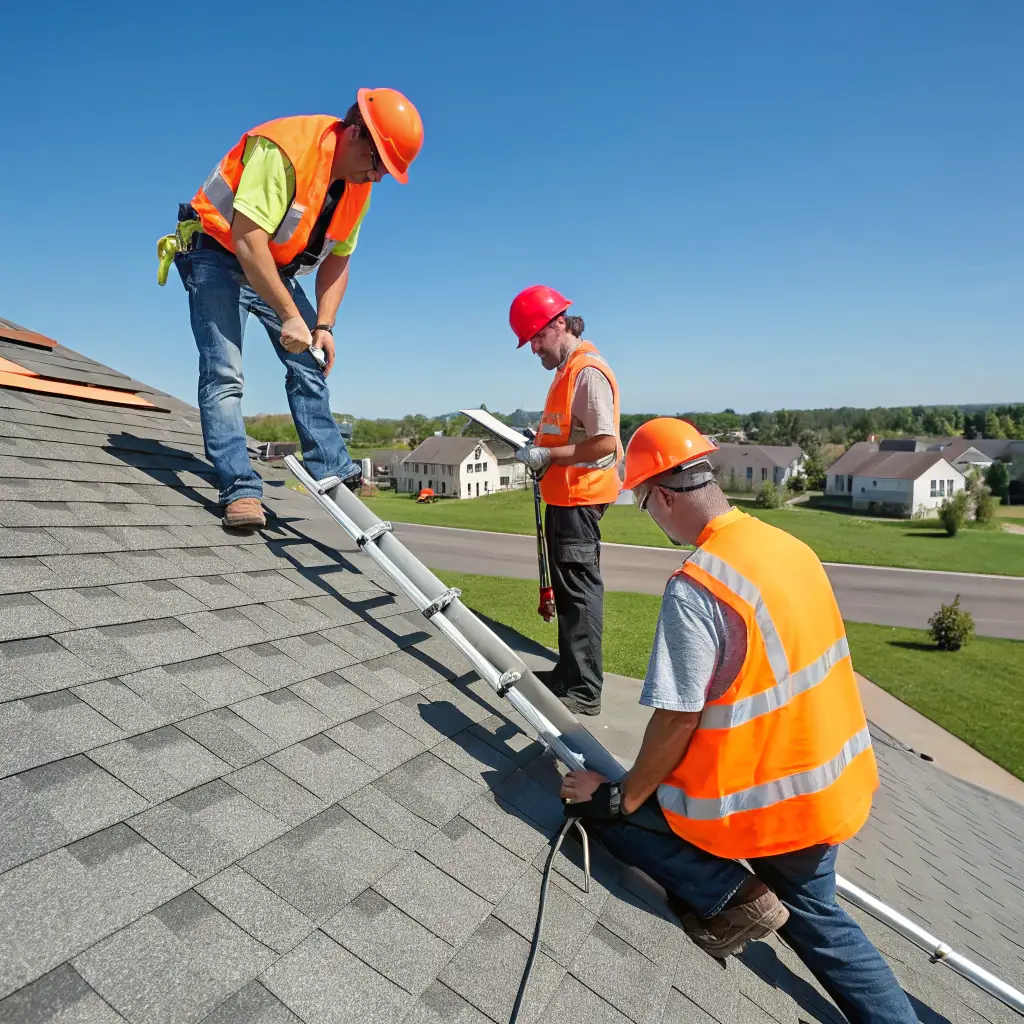
Even if you don’t notice any visible damage, it’s still a good idea to have a professional roofer inspect your roof after a storm. Roofs can sustain hidden damage that’s difficult to spot, such as issues with the flashing, decking, or underlayment. A professional inspection will ensure that your roof is in good condition and can withstand future storms.
Conclusion
Storm damage roofing in Florida is a crucial issue that every homeowner should take seriously. Florida’s weather is unpredictable, and storms can cause significant damage to your roof that may not be immediately visible. Timely repairs and inspections are key to ensuring that your roof remains intact, protecting your home and family from the elements.
By addressing storm damage early, you prevent water infiltration, safeguard your home’s structural integrity, and protect your belongings from damage. At TJB Construction, we specialize in storm damage roofing and offer expert insurance claim assistance, ensuring that you get the repairs you need without the stress.
If you’ve experienced storm damage or want to schedule a roof inspection, don’t hesitate to contact us today. Our team is here to help you get your roof back to its best condition and provide peace of mind during the next storm season.