
When it comes to the safety and longevity of your home or business, the roof is one of the most vital components. A sturdy and well-maintained roof not only protects your property from the harsh weather conditions but also plays a critical role in maintaining the value of your property. In Florida, where the weather can be unpredictable and severe, regular roof inspections are more important than ever. This blog will explore the significance of roof inspections in Florida, why they are essential, and how they can help save you money and stress in the long run.
Why Roof Inspections in Florida are Crucial
Florida is known for its unpredictable weather patterns, ranging from intense heat and humidity to tropical storms, hurricanes, and heavy rainfall. These environmental factors put significant stress on roofing systems, making them more vulnerable to damage. Regular roof inspections in Florida help you identify potential issues before they turn into costly repairs or even structural failures.
1. Harsh Weather Conditions
Florida’s weather conditions can quickly deteriorate the integrity of your roof. High winds from hurricanes and tropical storms can cause shingles to loosen or be completely torn off. Heavy rainfall can lead to leaks, especially if your roof has an existing vulnerability. The heat and humidity also contribute to the degradation of roofing materials over time, particularly asphalt shingles and wooden roofs. Regular roof inspections ensure that your roof remains in optimal condition and can withstand these challenges.
2. Early Detection of Roof Problems
One of the key benefits of regular roof inspections in Florida is the ability to detect problems early on. During an inspection, roofing professionals can spot issues such as missing shingles, water damage, mold, and deterioration that may not be immediately noticeable. Catching these problems early can prevent them from escalating, which could save you a substantial amount of money on repairs and replacements down the road.
3. Preventing Expensive Repairs
Roof repairs can be expensive, especially if the damage is extensive. By scheduling regular roof inspections, you can catch small issues before they become larger, more expensive problems. For example, a small leak in the roof can be patched up for a relatively low cost, but if left unattended, it can lead to extensive water damage, mold growth, and the need for a full roof replacement. Regular roof inspections can help prevent these costly scenarios and keep your roof in good condition.
4. Prolonging the Lifespan of Your Roof
A well-maintained roof will last much longer than a neglected one. Florida’s weather conditions can take a toll on your roof, but with regular inspections and necessary maintenance, you can extend its lifespan. This means fewer roof replacements and more years of protection for your home or business.
5. Insurance Benefits
Having a regularly inspected and well-maintained roof can also provide benefits when it comes to insurance. Many insurance companies offer discounts to homeowners and business owners who can prove that their roof has been regularly inspected and maintained. In addition, if you ever need to file a claim for roof damage due to a storm or other cause, having a documented history of roof inspections can help streamline the claims process and ensure that you receive the compensation you deserve.
6. Ensuring Safety
Your roof is responsible for protecting everything beneath it, including your family, your employees, and your belongings. A compromised roof can pose serious safety risks, especially during severe weather. Regular roof inspections in Florida help ensure that your roof is structurally sound and safe. For example, loose tiles or shingles can pose a falling hazard, while weak spots can lead to potential roof collapses during heavy storms. Regular inspections help identify and address these safety hazards before they become a danger.
What Does a Roof Inspection in Florida Involve?
A comprehensive roof inspection involves several key steps, all aimed at assessing the overall condition of your roof and identifying any issues that may require attention. Here’s what you can expect during a typical roof inspection in Florida:
1. Exterior Inspection
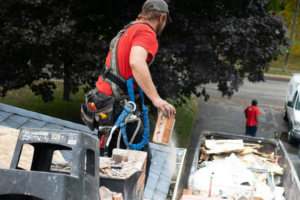
The first part of a roof inspection involves a thorough visual examination of the exterior of the roof. Roofing professionals will check for:
-
Loose or Missing Shingles: They will look for any damaged, cracked, or missing shingles that could allow water to penetrate.
-
Leaks: Signs of water stains, rusted nails, or dark spots on the roof indicate potential leaks that need to be addressed.
-
Debris: The inspector will remove any debris, such as branches or leaves, from the roof to ensure proper drainage and ventilation.
-
Gutter Inspection: Gutters that are clogged or damaged can cause water to pool on the roof, leading to leaks and other issues. The inspector will check the gutters to ensure they are clean and functioning properly.
2. Interior Inspection
The inspector will then move to the interior of the property, checking for signs of roof damage. This includes looking for:
-
Water Damage: Water stains on the ceiling or walls can indicate a roof leak. The inspector will also check for mold or mildew in the attic or ceiling, which is a common result of water infiltration.
-
Ventilation Issues: Proper ventilation is essential to prevent heat and moisture buildup in the attic, which can deteriorate roofing materials. The inspector will check for proper airflow.
-
Structural Integrity: The inspector will assess the structure of the roof, including the rafters and trusses, to ensure that they are stable and secure.
3. Roof Material Evaluation
The inspector will evaluate the condition of the roofing materials themselves. This includes assessing the age of the roof and determining whether the materials are still in good shape or if they need to be replaced. Common roofing materials in Florida include:
-
Asphalt Shingles: These are the most common roofing material in Florida. The inspector will check for wear and tear, cracking, and granule loss.
-
Tile Roofing: Tile roofs are popular in Florida due to their durability. The inspector will check for cracked or broken tiles that could allow water to penetrate.
-
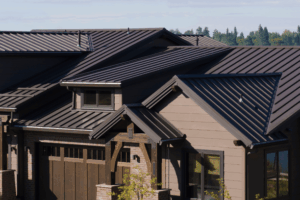
Metal Roofing: Metal roofs are becoming more popular in Florida. The inspector will check for rust, loose seams, or other issues that could affect the roof’s performance.
4. Maintenance Recommendations
After completing the inspection, the roofing professional will provide recommendations for any necessary repairs or maintenance. This may include patching up leaks, replacing damaged shingles, cleaning the gutters, or improving ventilation. The inspector may also provide advice on how to prolong the lifespan of your roof with regular maintenance.
How Often Should You Schedule a Roof Inspection in Florida?
While the frequency of roof inspections may vary depending on the age and condition of your roof, it is generally recommended to schedule a roof inspection at least once a year, especially in Florida. The harsh weather conditions, including hurricanes and heavy rains, can quickly cause wear and tear on your roof, making regular inspections essential.
If your roof is older or has experienced significant damage due to a recent storm, it’s a good idea to schedule more frequent inspections to ensure that any damage is addressed before it worsens. Additionally, after a major storm, it’s important to have a roof inspection to assess any potential damage from flying debris or heavy winds.
What to Look for When Hiring a Roof Inspector in Florida
Choosing the right roof inspector is crucial for ensuring a thorough and accurate inspection. Here are a few tips on what to look for when hiring a roof inspector in Florida:
1. Licensing and Certification
Make sure that the roofing professional you hire is licensed and certified to perform roof inspections in Florida. This ensures that they have the proper training and knowledge to identify potential issues and provide accurate recommendations.
2. Experience
Experience matters when it comes to roof inspections. Choose a roofing inspector who has extensive experience working in Florida and understands the unique challenges posed by the local climate and weather conditions.
3. Reputation
Look for an inspector with a solid reputation for providing quality service. Check online reviews, ask for references, and inquire about their track record in handling roof inspections in Florida.
4. Comprehensive Inspection
Ensure that the inspector offers a comprehensive inspection that covers both the interior and exterior of your roof, as well as an evaluation of the materials and structural integrity.
5. Clear Reporting
A good roof inspector should provide you with a clear and detailed report outlining any issues found during the inspection, along with recommendations for repairs or maintenance.
Conclusion
In Florida, where weather conditions can be unpredictable and severe, regular roof inspections are essential for protecting your home or business. By catching small issues early, you can save money on costly repairs and prolong the lifespan of your roof. A well-maintained roof ensures the safety of your property and the peace of mind that comes with knowing that your roof is capable of withstanding the harsh Florida climate. Schedule a roof inspection today and ensure that your roof remains in optimal condition for years to come.
For reliable roof inspections in Florida, contact [Your Company Name], and keep your roof in top shape no matter what the weather brings!