In Florida’s hot and humid climate, energy efficiency is not just a luxury – it’s a necessity. With soaring temperatures throughout the year, homeowners in Florida are often left with high energy bills from running air conditioners and cooling systems. However, there is a solution that can help you reduce these costs significantly – your roof. In this post, we will explore how residential roofing solutions can cut your energy bills by 25% or more.
By investing in the right roofing materials and solutions, you can not only make your home more energy-efficient but also enhance its durability against the harsh Florida weather. Let’s dive into the ways residential roofing solutions can help you achieve significant energy savings.
How Your Roof Affects Energy Efficiency
Your roof plays a crucial role in regulating the temperature of your home. A roof that is poorly insulated or made of outdated materials can cause heat to enter the home, forcing your cooling system to work harder. In contrast, an energy-efficient roof helps to keep your home cool during the summer and warm during the winter, reducing your reliance on HVAC systems.
In fact, a well-insulated and energy-efficient roof can lead to a reduction in energy bills by 25% or more. This can be achieved by improving your roof’s ability to reflect sunlight, reduce heat absorption, and increase insulation. Here are a few ways residential roofing solutions can help you achieve this:
1. Cool Roofs: Reflecting Heat and Saving Energy
One of the most popular and effective ways to save energy is by installing a cool roof. Cool roofs are designed to reflect more sunlight and absorb less heat than standard roofs. This is particularly beneficial in Florida, where the intense sun can significantly increase cooling costs.
How Cool Roofs Work:
- High Reflectance: Cool roofs are typically made with reflective coatings or materials such as white, light-colored shingles, or reflective membranes. These materials reflect a large portion of the sun’s rays, preventing heat from being absorbed into the building.
- Reduced Heat Transfer: By reducing the amount of heat transferred into your home, cool roofs lower the demand for air conditioning, leading to lower energy consumption and reduced cooling costs.
Benefits of Cool Roofs in Florida:
- Lower Cooling Costs: Studies show that cool roofs can reduce energy use for air conditioning by up to 20%, leading to a noticeable reduction in your energy bills.
- Improved Comfort: With less heat entering your home, the indoor temperature remains more consistent and comfortable, especially during the peak summer months.
- Extended Roof Lifespan: Reflective coatings also protect the roof from the damaging effects of UV radiation and thermal shock, which can extend the lifespan of your roof.
2. Energy-Efficient Insulation: Keeping the Cool Air In
Proper insulation is critical when it comes to reducing energy bills. While insulation is typically associated with the walls of a home, roof insulation plays an equally important role in maintaining a comfortable indoor temperature.
In Florida, many homes experience heat buildup in the attic, which can then seep into the living spaces below. By adding or improving attic insulation, you can prevent heat from entering the house, ensuring that your air conditioning system doesn’t need to work overtime.
Types of Insulation for Roofs:
- Spray Foam Insulation: Known for its excellent air-sealing properties, spray foam insulation can prevent heat from entering the attic while also reducing the amount of cool air escaping.
- Blown-in Insulation: This type of insulation is ideal for attics and is blown into the space between the rafters to create an effective barrier against heat.
- Batt Insulation: Made of fiberglass, batt insulation is an affordable option that can be installed in the attic to help regulate temperature.
Benefits of Roof Insulation:
- Energy Savings: Proper insulation reduces the amount of energy required to cool your home. By maintaining a consistent indoor temperature, you reduce the workload of your air conditioning system.
- Increased Comfort: Insulation keeps your home at a comfortable temperature year-round, preventing the attic from getting too hot in the summer.
- Soundproofing: Insulation can also reduce outside noise, creating a quieter indoor environment.
3. Energy-Efficient Roofing Materials: Sustainable Choices for Your Home
Choosing the right roofing materials can make a significant difference in the energy efficiency of your home. Certain materials are better at reflecting heat, while others provide superior insulation. Let’s look at some of the best energy-efficient roofing materials for Florida homes:
Metal Roofing:
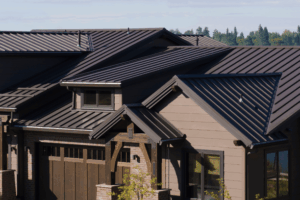
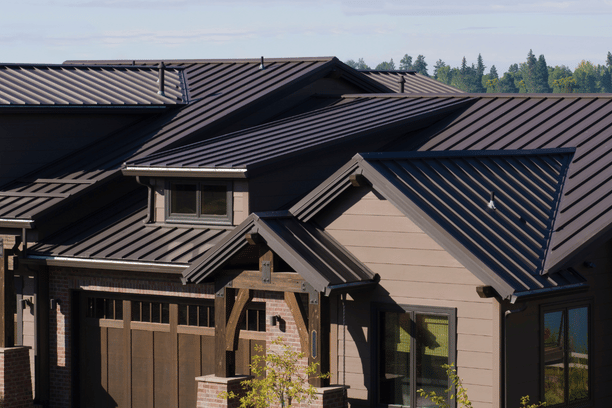
Metal roofs are known for their longevity and energy-efficient properties. They reflect sunlight effectively, which helps keep your home cool. Additionally, metal roofs are highly durable and can withstand Florida’s harsh weather conditions, such as hurricanes and heavy rain.
Clay and Concrete Tiles:
Clay and concrete tiles are excellent options for Florida homes due to their ability to absorb heat and cool off quickly, preventing heat buildup in the home. These tiles are also highly durable, making them a long-lasting investment.
Asphalt Shingles (with Reflective Coating):
While traditional asphalt shingles tend to absorb heat, cool asphalt shingles are available with reflective coatings that enhance their energy efficiency. These shingles reflect a higher percentage of the sun’s heat, reducing cooling costs.
Green Roofs:
For those looking to take sustainability to the next level, green roofs are an innovative solution. These roofs are covered with vegetation, which naturally cools the building and provides insulation. Green roofs also improve air quality and reduce the urban heat island effect.
4. Roof Ventilation: A Key to Energy Efficiency
Proper roof ventilation is essential for maintaining energy efficiency. Without adequate ventilation, heat can become trapped in the attic, which increases the workload of your air conditioning system.
Roof ventilation works by allowing hot air to escape and drawing in cooler air. This helps regulate the temperature in your attic and prevents your home from becoming overheated. In Florida, where high humidity is a concern, good roof ventilation can also prevent mold and mildew growth in the attic.
Types of Roof Ventilation:
- Ridge Vents: Installed along the peak of your roof, ridge vents allow hot air to escape while drawing in cooler air from the eaves.
- Soffit Vents: Soffit vents are installed under the eaves of the roof and allow air to flow into the attic, aiding the ventilation process.
- Gable Vents: These vents are installed at the gable ends of the roof and help promote airflow throughout the attic.
Benefits of Roof Ventilation:
- Improved Energy Efficiency: Proper ventilation helps keep your home cooler by allowing heat to escape from the attic, reducing your cooling costs.
- Prevention of Moisture Damage: Ventilation helps prevent moisture buildup in the attic, which can lead to mold growth and damage to the roof structure.
5. Roof Coatings: A Quick and Affordable Solution
If a full roof replacement isn’t in your budget, roof coatings are an excellent way to enhance your roof’s energy efficiency. These coatings reflect sunlight, reduce heat absorption, and increase the durability of your roof.
Roof coatings are often applied to metal roofs, but they can also be used on asphalt shingles and other roofing materials. They are typically a cost-effective solution for improving the energy efficiency of your home without the need for a complete roof overhaul.
Benefits of Roof Coatings:
- Lower Energy Bills: Roof coatings can reduce the amount of heat absorbed by your roof, leading to significant savings on your cooling costs.
- Quick Application: Roof coatings can be applied quickly and are less expensive than a full roof replacement.
- Protection from the Elements: Roof coatings protect your roof from UV rays, rain, and other environmental factors, extending the lifespan of your roof.
Conclusion: Investing in Energy-Efficient Roofing Solutions
With the hot Florida sun and humidity, energy-efficient roofing solutions are essential for keeping your home comfortable and your energy bills low. By choosing the right roofing materials, enhancing insulation, and incorporating cool roofs, you can reduce your energy costs by up to 25%. Additionally, proper roof ventilation and coatings will further improve your home’s energy efficiency.
At TJB Construction, we specialize in residential roofing solutions that can help you save on energy bills while ensuring the durability and longevity of your roof. Contact us today to schedule a free consultation and learn how we can help you make your home more energy-efficient.