Hurricanes can be a devastating event for homeowners, especially when it comes to the damage they leave behind. A roof, being the first line of defense against the elements, is often the most vulnerable part of a home during a hurricane. If your roof is damaged by a hurricane, understanding how to navigate the roof insurance claim process is essential for getting the maximum payout.
In this guide, we’ll share roof insurance claim tips that can help you ensure you get a fair payout for the damage your roof sustained during a hurricane.
How Hurricane Damage Affects Your Roof
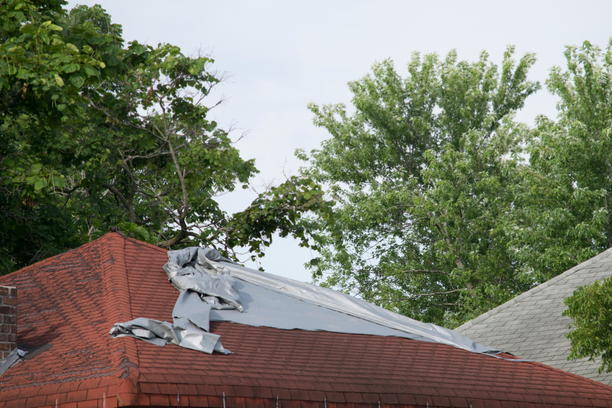
Hurricane winds can cause extensive damage to roofs. Flying debris, heavy rain, and rapid changes in air pressure can all compromise the structural integrity of a roof. The most common forms of hurricane damage include:
- Missing or Broken Shingles: Winds can blow off shingles, exposing your roof to the elements.
- Hail Damage: Strong winds can drive hail into the shingles, causing dents, cracks, or holes.
- Leaks and Water Damage: Even a small hole can lead to water infiltration, causing leaks that can damage ceilings, walls, and insulation.
- Roof Membrane Damage: The protective layers under the shingles can also be compromised, which is often difficult to spot without a professional inspection.
The Importance of Filing a Roof Insurance Claim After Hurricane Damage
Filing a roof insurance claim is essential to get financial assistance for repairs. Without insurance, the cost of fixing hurricane damage can be overwhelming. Insurance payouts can cover repairs, replacements, and even temporary measures to prevent further damage.
However, the claims process can be challenging, especially when trying to maximize your payout. That’s why understanding the steps involved in filing a roof insurance claim is key to ensuring you receive the compensation you deserve.
Step-by-Step Guide to Filing a Roof Insurance Claim
1. Document the Damage Thoroughly
The first step in the roof insurance claim process is to document all of the damage to your roof. This includes:
- Taking Pictures: Take clear photos of the damage, both close-up and from a distance. Make sure to capture all visible damage, such as missing shingles, cracks, or dents. Document any water stains or interior damage as well.
- Record Videos: Videos can provide a better overview of the damage, especially when showing large sections of your roof or hard-to-reach areas.
- Make Notes: Write down the specific areas of damage and any immediate actions you’ve taken to prevent further issues, such as covering exposed areas with a tarp.
Documenting everything will serve as your evidence when filing the claim and will help your insurance adjuster assess the full extent of the damage.
2. Review Your Insurance Policy
Before filing a roof insurance claim, it’s important to carefully review your homeowner’s insurance policy. Key details to look for include:
- Coverage Limits: Check the limits of your coverage to understand how much your insurance will pay for roof damage. Some policies may have limits for roof repairs or replacements.
- Deductible: Understand the deductible you’ll need to pay before the insurance coverage kicks in. If your deductible is higher than the estimated repair cost, you may not get much from your claim.
- Exclusions: Some policies may exclude certain types of damage, such as wear and tear or damage caused by floods. Verify what’s covered and what’s not to avoid surprises.
If you’re unsure about any of the terms, it’s worth discussing your policy with your insurance company to clarify your coverage.
3. Contact Your Insurance Company Immediately
Once you’ve documented the damage, reach out to your insurance provider as soon as possible to initiate the roof insurance claim process. Most insurance companies have a dedicated claims department and a straightforward procedure for filing claims.
- File the Claim Promptly: Insurance companies often have strict timelines for submitting claims, especially after a hurricane. Delaying the filing could result in a denied claim or reduced payout.
- Provide Accurate Information: Be honest and detailed about the extent of the damage. Ensure that the photos, videos, and notes you’ve collected match the details you provide to the insurance company.
4. Schedule an Inspection with an Insurance Adjuster
Once you’ve filed your claim, your insurance company will send an adjuster to inspect the damage. The adjuster’s job is to assess the extent of the roof damage and determine how much of the damage is covered under your policy.
- Be Present for the Inspection: If possible, be present during the inspection. This gives you the chance to walk the adjuster through the areas you’ve documented and address any concerns. If you’ve noticed areas that may have been missed, now is the time to point them out.
- Ask Questions: Don’t hesitate to ask the adjuster for clarification on their findings. If you feel that something was overlooked or underestimated, bring it up during the inspection.
The adjuster will then report their findings to your insurance company, which will determine how much they’ll pay for repairs or replacement.
5. Get a Second Opinion or Independent Estimate
In some cases, insurance adjusters may underestimate the cost of repairs or fail to fully account for the damage. To protect yourself and ensure a fair payout:
- Hire a Roofing Professional: A licensed and reputable roofing contractor can perform an independent inspection of your roof and provide an estimate for repairs. Many contractors offer free inspections after storms and hurricanes.
- Compare Estimates: Compare the contractor’s estimate with the insurance adjuster’s report. If there are discrepancies, you can present the contractor’s estimate to your insurance company as evidence for a higher payout.
6. Review the Insurance Offer and Negotiate if Necessary
Once your claim has been processed, the insurance company will send you an offer based on the adjuster’s report. Carefully review the offer to ensure that it covers all of the necessary repairs and replacement costs.
- Appeal or Negotiate: If you believe the offer is too low, don’t be afraid to negotiate. Submit your roofing contractor’s estimate and any additional evidence you’ve gathered to make your case. In some situations, you may need to file an appeal if the insurance company refuses to provide adequate coverage.
7. Get the Roof Repaired or Replaced
Once you’ve received the final payout from your insurance company, you can move forward with the repairs. Use the funds to hire a trusted roofing contractor to fix or replace your roof.
Make sure to hire a licensed roofing contractor who has experience dealing with insurance claims. They can help ensure that the repairs meet the standards required by your insurance provider and that all work is done to code.
Common Roof Insurance Claim Mistakes to Avoid
To maximize your payout and avoid complications, here are some common mistakes to watch out for during the roof insurance claim process:
- Not Documenting Everything: Failing to properly document the damage can result in a lower payout or even a denied claim. Always take photos, videos, and detailed notes.
- Delaying the Claim: Don’t wait too long to file your claim. Insurance companies may have deadlines for submitting claims, especially after a hurricane.
- Ignoring Policy Details: Always read your policy carefully to understand your coverage, deductible, and exclusions. This will help you set realistic expectations.
- Accepting the First Offer: The first offer from your insurance company may not always be sufficient. Don’t hesitate to negotiate or seek a second opinion.
Conclusion
Filing a roof insurance claim after hurricane damage can be a stressful and complex process. However, by following these roof insurance claim tips, you can maximize your payout and ensure that your roof is properly repaired or replaced. Remember, the more organized and thorough you are throughout the process, the better your chances of receiving fair compensation.
If you’re dealing with a roof leak or other storm-related damage, don’t hesitate to contact TJB Construction for professional roofing inspections, repairs, and assistance with your roof insurance claim. With over a decade of experience in the roofing industry, our team is here to help you navigate the claims process and restore your home.