Florida is no stranger to severe weather conditions. From hurricanes to tropical storms, the state experiences frequent storms that can lead to substantial roof damage. The aftermath of a storm can be overwhelming, especially when the roof — one of the most critical components of your home — is affected. In Florida, where heavy winds, rain, and flying debris are common, knowing what to do after roof storm damage is essential for protecting your home and property.
In this blog post, we’ll walk you through the steps you should take after experiencing roof storm damage in Florida. From immediate actions to long-term repairs, we will cover everything you need to ensure your home is safe and that your roof is properly repaired or replaced.
Why Roof Storm Damage in Florida is a Serious Concern
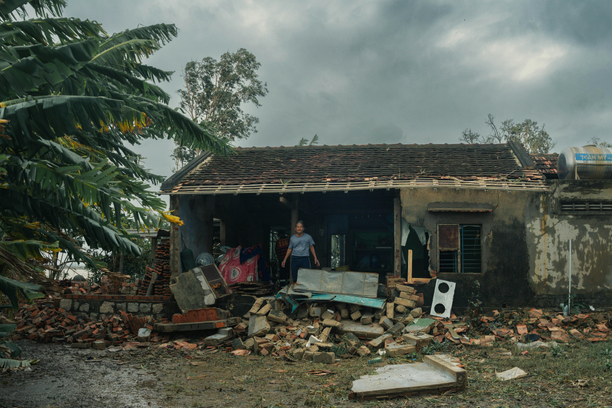
Florida’s climate makes it particularly vulnerable to storm damage, especially during hurricane season. The combination of strong winds, torrential rainfall, and flying debris can cause severe damage to roofs. Roof storm damage in Florida can take many forms, including:
-
Missing or damaged shingles
-
Holes caused by falling branches or debris
-
Water leaks due to damaged roofing materials
-
Structural damage to the roof’s framework
As a homeowner, it’s crucial to take immediate action to prevent further damage and protect your property. Let’s dive into the steps you should follow if your roof has suffered storm damage in Florida.
Step 1: Ensure Safety First
The first and most important thing to do after a storm is to ensure the safety of everyone inside your home. Roof storm damage can sometimes lead to hazardous conditions inside and outside of your house, such as:
-
Falling debris that can pose a danger to anyone outside
-
Exposed electrical wires or broken power lines
-
Leaks that can cause water damage to your interior
Immediate Safety Measures:
-
Avoid the affected areas: Stay away from the areas of your home that are most affected by the storm damage. If your roof has large holes or missing shingles, there is a risk of further damage to the structure.
-
Check for leaks: If you notice water leaks inside your home, move furniture and valuable items out of the way to prevent water damage. Use buckets or towels to collect the water.
-
Inspect exterior conditions: Be cautious when going outside to assess the damage. Stay clear of downed power lines or broken trees.
Once you’re sure the immediate environment is safe, you can begin assessing the roof damage.
Step 2: Inspect the Roof for Visible Damage
After the storm passes, it’s essential to assess the damage to your roof as soon as it’s safe to do so. However, climbing onto the roof yourself is not recommended due to safety concerns. Instead, take the following steps:
Visual Inspection
-
Check from the ground: Use binoculars or a camera with a zoom function to check the roof for visible damage. Look for missing or broken shingles, dents in metal roofing, cracks in tiles, or visible holes caused by debris.
-
Look for debris: Identify any large branches, fallen trees, or other debris that could have impacted your roof. This debris may have caused punctures or other damage.
-
Inspect gutters and downspouts: Check your gutters for any damage. Clogged or broken gutters can cause water to back up, leading to further damage to your roof or even flooding in your home.
If you spot damage that is beyond minor, it’s time to call in a professional roofing contractor.
Step 3: Contact Your Insurance Provider
In Florida, roof storm damage is often covered under standard homeowner’s insurance policies. However, it’s important to contact your insurance provider immediately to file a claim and get the process started. Here’s what to do:
Document the Damage
Before you take any steps toward repairs, make sure to document all the visible damage to your roof and property. This documentation will be essential when working with your insurance company.
-
Take photos from multiple angles.
-
Record videos to capture the extent of the damage.
-
Write down notes about the storm, including the date and time it occurred and any visible impact (wind speeds, flooding, etc.).
File the Claim
Contact your insurance provider as soon as possible to report the roof storm damage. The faster you act, the quicker the insurance company can send an adjuster to assess the damage. Make sure to ask about your policy’s coverage for roof damage, as some policies may have specific exclusions or limitations related to storm damage.
Be Prepared for a Roof Inspection
Your insurance company will likely send a claims adjuster to inspect the damage. It’s important to be present for this inspection to ensure that all areas of the roof are properly assessed. The adjuster will look for damage caused by the storm, and you may need to provide documentation of the damage that you’ve already compiled.
Step 4: Temporary Repairs to Prevent Further Damage
Once you’ve contacted your insurance company, it’s time to begin making temporary repairs to prevent further damage to your home. These repairs will help protect your interior from water damage until a professional can fully fix the roof.
Cover Holes and Leaks
If your roof has large holes or leaks, use a tarp or plastic sheeting to cover the damaged area temporarily. Secure the tarp with heavy-duty rope or nails to ensure it stays in place. If you don’t have a tarp, consider using any large, waterproof material that can protect your home from further water intrusion.
Remove Debris
If fallen tree branches or debris are on your roof, carefully remove them to prevent additional punctures. Be cautious when using ladders or climbing on the roof to remove the debris. If you are unsure, it’s safer to wait for a professional roofing contractor to assist you.
Turn Off Power If Necessary
If the storm caused electrical damage, such as exposed wires or flooded circuits, turn off the power to the affected areas of your home. This will prevent electrical shock hazards and further damage.
Step 5: Hire a Professional Roofing Contractor
Once you’ve taken the initial safety measures and temporary repairs, it’s time to call in a professional roofing contractor to inspect the damage and begin repairs. In Florida, hiring a reputable contractor with experience dealing with roof storm damage is critical. Here’s why:
Why Hire a Professional?
-
Expert assessment: A professional roofer will have the skills and experience to properly assess the damage and provide a detailed repair plan.
-
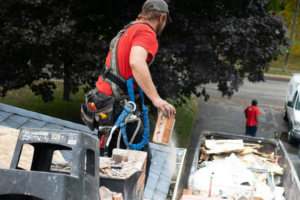
Safety: Roofing work is dangerous, especially after a storm. Professionals are trained to work safely and have the necessary equipment to complete the job.
-
Insurance coordination: Roofing contractors can help you navigate the insurance claim process, ensuring that your repairs are covered and that all documentation is in order.
What to Expect from a Professional Contractor
A reputable roofing contractor will:
-
Inspect your roof thoroughly to assess the extent of the damage.
-
Provide a detailed estimate of repair costs, including materials and labor.
-
Explain the options for roof repairs or replacement, depending on the severity of the damage.
-
Work with your insurance company to make sure the repairs are covered.
Step 6: Roof Repair or Replacement
The final step in the process is to repair or replace your roof. Whether you need a full replacement or just repairs depends on the extent of the storm damage.
Roof Repair
In many cases, storm damage can be repaired rather than replaced. Common roof repairs after a storm in Florida include:
-
Replacing missing or broken shingles
-
Fixing leaks in the roof caused by damaged flashing or seams
-
Repairing dents in metal roofs
-
Re-aligning displaced tiles or shingles
Roof Replacement
If the damage to your roof is extensive, or if the roof is near the end of its lifespan, a full replacement may be necessary. This is more likely if the storm caused significant structural damage or if the roof has multiple areas of damage that can’t be effectively repaired.
Choosing the Right Materials
When repairing or replacing a roof, consider using materials that can better withstand Florida’s severe weather conditions. Popular options for Florida roofs include:
-
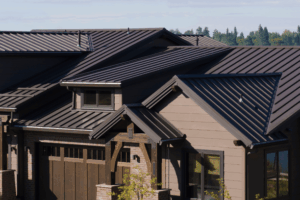
Metal roofing: Known for its durability, metal roofing can withstand high winds and heavy rain.
-
Concrete tiles: These tiles are heavy and durable, ideal for resisting wind damage.
-
Asphalt shingles: While less durable than metal or tile, modern asphalt shingles are still a good option for many Florida homeowners.
Conclusion
Roof storm damage in Florida is a common occurrence, but knowing what to do after the damage occurs can help you prevent further issues and get your home back to normal quickly. The steps outlined in this blog — from ensuring safety to hiring a professional contractor — will guide you through the process and help protect your property from additional harm.
Remember, after storm damage, always act quickly, contact your insurance provider, and consult with a qualified roofing contractor to assess and repair the damage. By taking immediate action, you can protect your home, minimize repair costs, and ensure the safety of your family.
For expert assistance with roof storm damage in Florida, reach out to [Your Company Name]. Our experienced team is here to help you with prompt roof inspections, repairs, and replacements. Don’t wait — ensure your roof is ready to withstand future storms!